

As the Associate Director at the Walker Advanced Manufacturing Innovation Centre (WAMIC), I get to do many interesting things. Meet potential clients, ecosystem partners, and government officials, to promote the centre. Recruit staff, write proposals for research funding, and file reports on the research funding. And I like those aspects of my job.
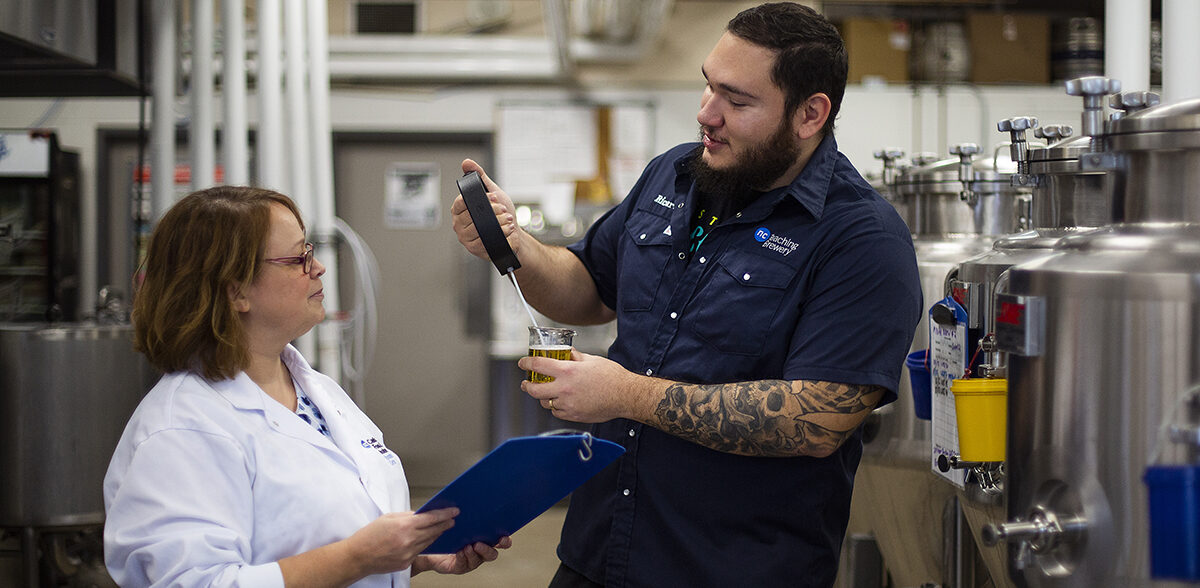
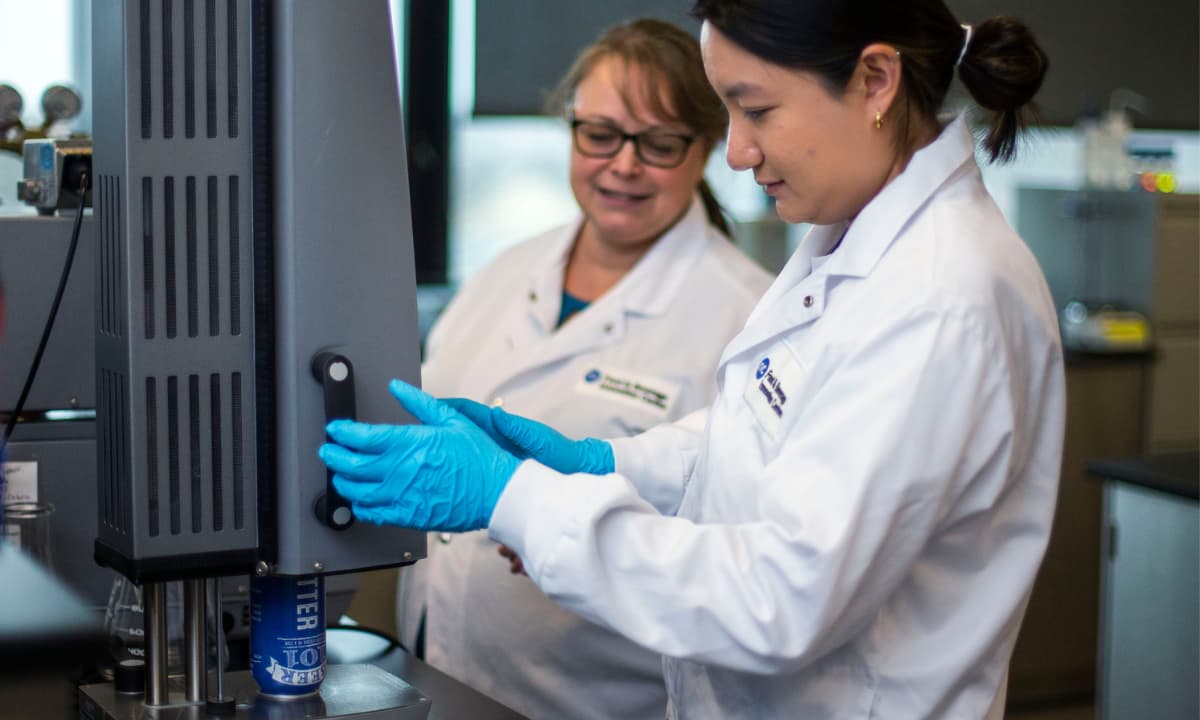
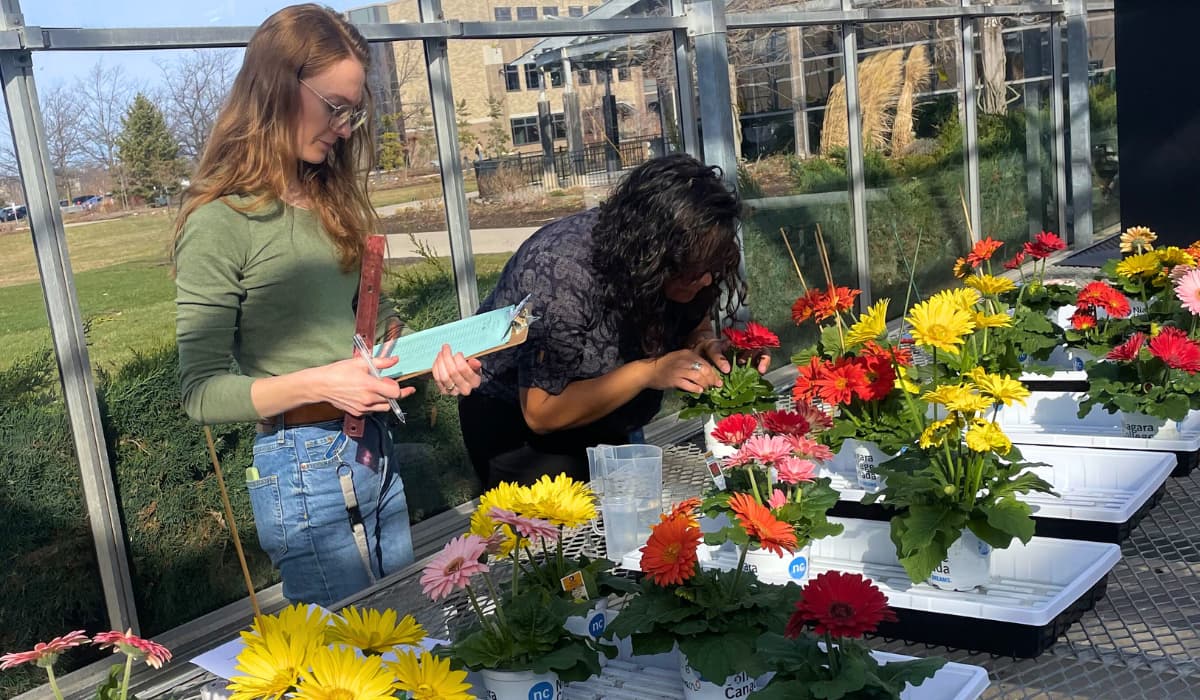
However, I LOVE working with and mentoring young employees. Seeing these nervous, shy, tentative 17- or 18-year-olds start their first co-op semester as a research assistant develop to become confident, assured, capable early career professionals will never become old.
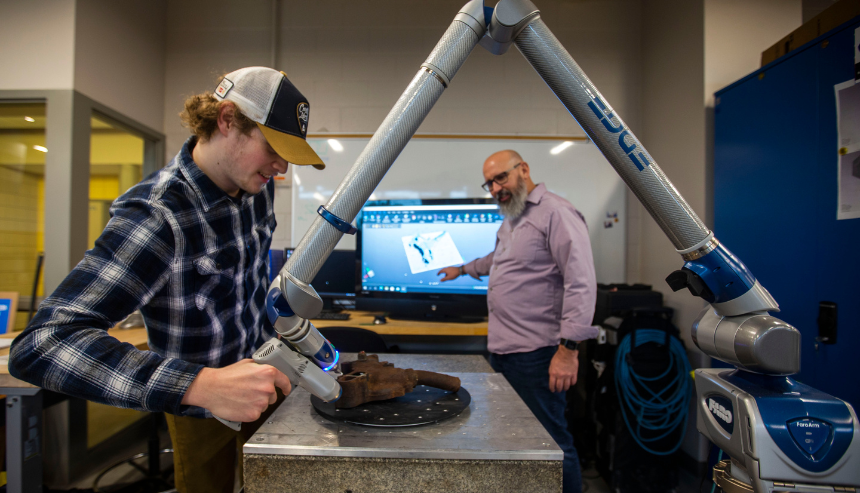
At WAMIC, our key service offerings centre on 3D scanning, reverse engineering, CAD modelling, 3D printing and Industry 4.0 adoption. So while WAMIC staff spend time teaching and demonstrating how to refine the technical skills necessary to participate in our service and applied research projects, we spend an equal amount of time working on non-technical skills.
An engineering supervisor once said to me, “A manufacturing firm is looking for entry-level employees who not only know how to operate equipment or use a software but can also show up, listen well, and work hard. These skills add significant amounts of value.”
Our experienced researchers and technologists take time to teach the research assistants many skills, such as using a notebook every day to record what they did and why they did it; then transferring these notes to the project report template at the end of each week. Research assistants are required to report on their progress, success and challenges to the team at a weekly stand-up. Research assistants participate in meetings with clients where their ideas and opinions are valued.
Research assistants are aware of the project budget and are empowered to engage with vendors and sub-contractors when sourcing parts. Research assistants accompany technologists on off-site jobs to become familiar with other companies’ visitor protocols and learn customer service skills when interacting with the client. Research assistants work in cross-disciplinary teams and so, learn how to communicate with their electronics, mechanical and programming colleagues.